
The History of File Conversion Technology: From Punch Cards to AI (1950–2026)
In 2026, we take for granted that we can convert an ADF (Amiga Disk File) into a PDF in less than three seconds using a smartphone. However, the road to this "instant" reality was paved over 80 years of intense mathematical research, hardware breakthroughs, and software evolution. File conversion is not just a utility; it is the history of how humanity learned to translate human ideas into machine-readable code.
This 1,000-word retrospective traces the lineage of file conversion technology—from the era of vacuum tubes to the neural networks that power our online converter today.
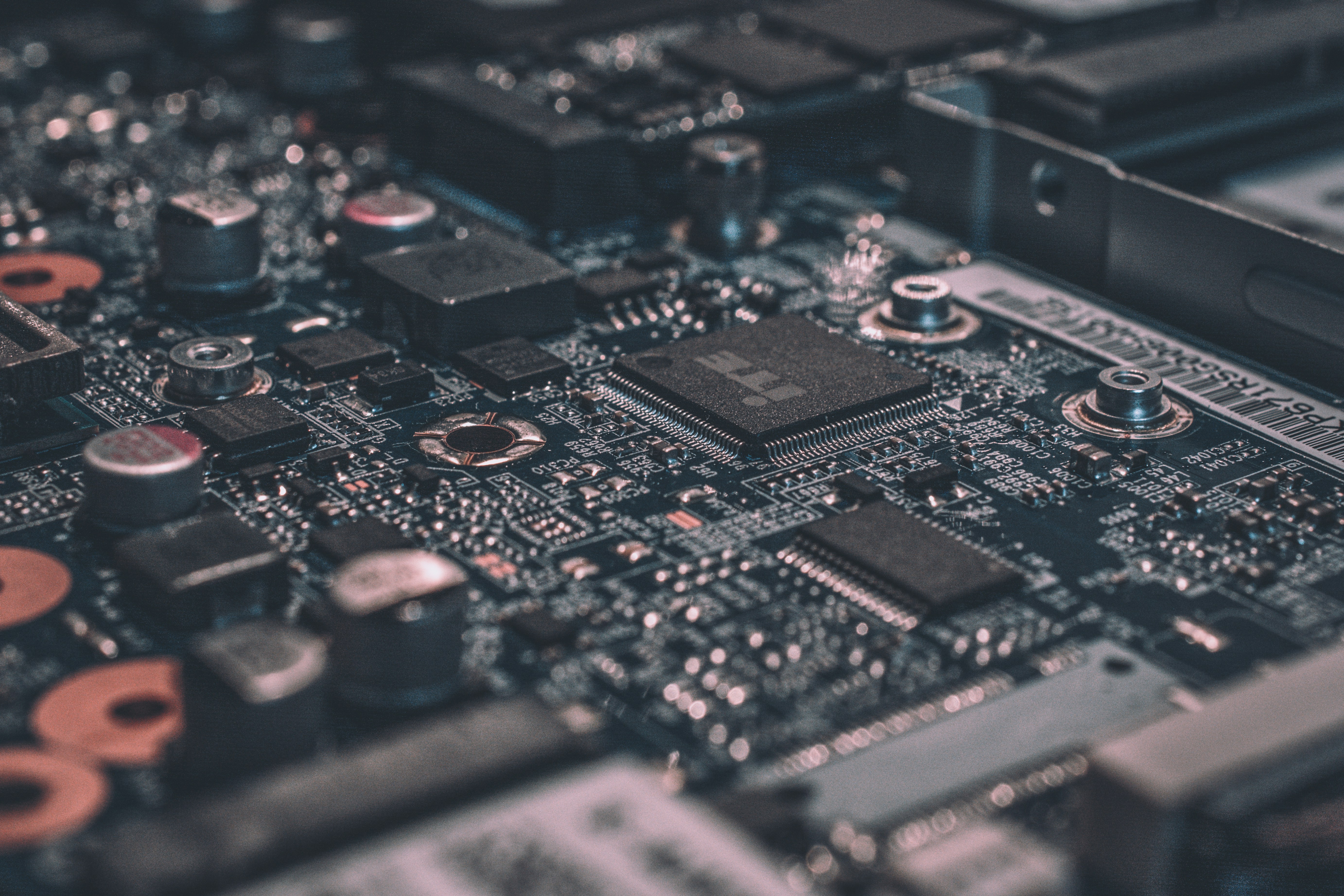
Figure 1: The foundations of digital conversion began with the invention of the microchip in the late 1950s.
1. 1950–1970: The Analog-to-Digital Transition
In the mid-20th century, "conversion" meant something physical. Data was stored on punch cards or magnetic drums. The first real step toward file conversion was the development of the ASCII (American Standard Code for Information Interchange) in 1963. For the first time, different computers could agree on how a "letter" should be represented in binary.
During this era, OCR (Optical Character Recognition) made its debut. In 1950, a machine called GISMO was created, capable of recognizing printed characters and converting them into telegraph code. This was the "grandfather" of the technology used in our modern ADF to PDF converters.
2. 1980–1995: The Rise of Proprietary Ecosystems
The 1980s saw the birth of the Personal Computer (PC) and the "Format Wars." Every software company created its own unique "language."
- The Amiga Era (1985): The Commodore Amiga introduced the ADF (Amiga Disk File). It wasn't just a file; it was a "track-by-track" image of a physical 3.5-inch floppy disk. Converting these required deep knowledge of the Amiga's Old File System (OFS).
- Word Processor Wars: WordStar, WordPerfect, and Microsoft Word all fought for dominance. If you wanted to move a document between them, you often lost all formatting—a problem that birthed the first dedicated "Converter Software" industry.
3. 1993: The PDF Revolution
In 1991, Adobe co-founder Dr. John Warnock launched "The Camelot Project." His goal was a universal format that looked the same on every screen. In 1993, the PDF (Portable Document Format) was born. It changed the world because it was the first format that prioritized Layout Integrity over System Compatibility. This is why PDF remains the most requested output format for our online conversion tools in 2026.
4. 2000–2015: The Cloud and Open Standards
The turn of the millennium brought the "Internet Boom." Conversion moved from local desktop programs to the web. The introduction of XML-based formats (like .docx and .xlsx) in 2007 made files "transparent" and easier to parse. No longer were files "locked boxes"; they were zip archives that anyone with a bit of code could read.
Timeline of Significant Conversion Milestones
| Year | Milestone | Impact on Conversion |
|---|---|---|
| 1963 | ASCII Standardized | Unified text representation across devices. |
| 1985 | Amiga ADF Format | Created the foundation for disk virtualization. |
| 1993 | PDF 1.0 Released | Introduced universal visual consistency. |
| 2012 | CNNs in OCR | Deep learning massively improved accuracy. |
| 2026 | Generative AI Converters | Real-time semantic data reconstruction. |
5. 2020–2026: The AI and Neural Era
By 2026, conversion has reached its peak. We no longer just "map" bits; we use Neural Networks to understand context. If you convert an old ADF file containing a bank statement from 1989, the AI doesn't just see text; it understands the table structure, verifies the math, and reconstructs it into a modern, searchable Excel or PDF file.
Key breakthroughs in this era include:
- NLP Integration: Converters now "read" the document to provide auto-summaries and metadata tagging.
- Parallel Processing: Multi-gigabyte archives can be converted in seconds using cloud GPU clusters.
- Self-Healing Data: AI can predict and "fill in" missing sectors in damaged legacy files.
6. The Future: Toward "Liquid Information"
As we look past 2026, the concept of a "file format" may disappear entirely. We are moving toward a world of Liquid Information, where data exists in a raw state and is only "rendered" into a format (PDF, VR, or Text) at the moment a user needs it. The "converter" will become the operating system itself.
Conclusion
The history of file conversion is a testament to human ingenuity. From the mechanical "Optophone" for the blind in 1921 to the AI-driven ADF online tools of 2026, we have consistently broken down the walls between different technologies. By understanding where we came from, we can better appreciate the power and simplicity of the tools we use today.
Experience history in motion. Convert your legacy ADF archives into the future today using our state-of-the-art 2026 AI Conversion Engine.
Keywords: History of File Conversion, Evolution of OCR Technology, ADF Format History, PDF Origins 1993, Digital Transformation Timeline, Amiga Disk File Preservation, 2026 AI Trends.