
How File Converters are Saving the Environment
The Paperless Office Trend 2026
In 2026, the "Paperless Office" is no longer just a futuristic concept discussed in boardroom meetings; it is a global environmental necessity. As climate change remains a top priority for international policy, businesses of all sizes are looking for ways to reduce their ecological footprint. One of the most overlooked heroes in this green revolution is the online file converter.
By allowing users to transform physical documents into versatile digital formats, or converting legacy proprietary files (like ADF) into universally accessible documents, these tools are single-handedly reducing the world's reliance on physical paper, ink, and transport logistics.
Did You Know?
The average office worker generates approximately 2 pounds (0.9 kg) of paper products every day. Producing just one ton of paper requires 24 trees and more than 19,000 gallons of water. Digital conversion tools can reduce this waste to nearly zero.
1. The Hidden Environmental Cost of Paper
The environmental impact of paper goes far beyond just cutting down trees. The entire lifecycle of a piece of office paper is resource-intensive:
- Manufacturing: The pulp and paper industry is the fifth-largest consumer of energy globally. It uses more water per ton of product than almost any other industry.
- Bleaching: Chlorine-based bleaches used to make paper white release toxic chemicals into waterways.
- Logistics: Transporting heavy reams of paper across the globe generates massive CO2 emissions from trucks, ships, and planes.
By moving to a Digital-First workflow—where documents are scanned, converted, and stored in the cloud—a company can reduce its carbon emissions by up to 30% within the first year.
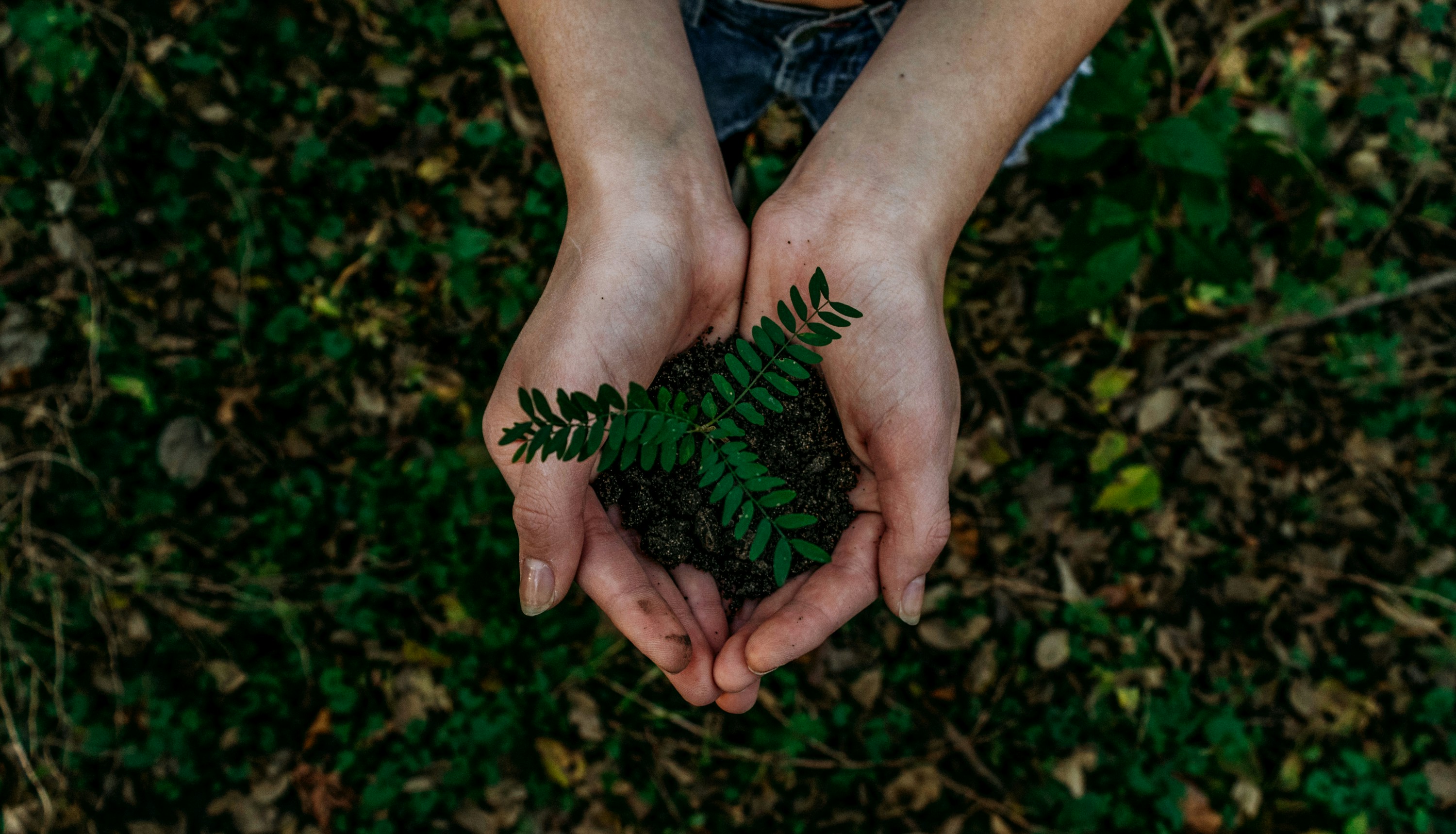
Figure 1: Digital archives ensure that our forests remain standing for future generations.
2. The Role of ADF Converters in Modern Archiving
Many government agencies and long-standing law firms still have vast archives stored in legacy formats like ADF (Amiga Disk File or Automated Document Factory). These files are often trapped in old systems, forcing employees to print them out just to read or share them.
Modern conversion tools bridge this gap. By converting these legacy formats into searchable PDFs or modern Word documents, organizations can:
- Eliminate the need for physical filing cabinets (saving office space and heating/cooling energy).
- Enable remote work, reducing the carbon footprint associated with daily commuting.
- Implement "Smart Searching" to find data in seconds, rather than manually flipping through paper pages.
3. From Physical Ink to Digital Pixels: Saving the Oceans
We often forget that printing requires ink and toner cartridges. Most cartridges are made of non-biodegradable plastics and contain hazardous chemicals. When these end up in landfills, they leak toxins into the soil and oceans. Digital file conversion removes the "need to print" entirely. In 2026, the "Read-Only" culture is thriving, where documents are reviewed on high-efficiency tablets and e-ink displays rather than on bleached paper.
4. The Rise of "Green Coding" in Conversion Tools
Sustainability isn't just about saving paper; it's also about energy-efficient computing. Modern file converter platforms are now adopting "Green Coding" practices. This means algorithms are optimized to use the least amount of CPU power possible during the conversion process.
When you use a converter that processes your file in 0.5 seconds instead of 5 seconds, you are indirectly reducing the electricity load on the global server network. This micro-efficiency, when multiplied by millions of users daily, results in a significant reduction in data center heat output.
Sustainable Productivity Checklist for 2026
| Action | Impact |
|---|---|
| Convert ADF to Searchable PDF | Reduces physical storage by 100% |
| Use Cloud Collaboration Tools | Avoids printing multiple "Review Copies" |
| Digital Signatures (e-Sign) | Eliminates the need for mailing documents |
5. Future Outlook: The Circular Digital Economy
As we look toward 2030, the goal is a Circular Digital Economy. This involves recycling data and ensuring that no resource is wasted. File converters are the "recycling centers" of this world—taking old, unusable data formats and turning them into fresh, usable information without consuming a single physical resource.
Conclusion
Every time you use an online tool to convert a document instead of printing it, you are making a choice for the planet. The Paperless Office is no longer a dream; it is a reality powered by digital tools that prioritize efficiency and ecology. Our platform is proud to support this movement by providing lightning-fast, energy-efficient conversion services for all your document needs.
Are you ready to go green? Start your digital transformation today by converting your legacy files into modern, eco-friendly formats with our 100% online tool.